How can we trust manuscripts that old?
5,800+ Greek New Testament manuscripts, some within decades of the events. Compared to any other ancient text, that's an embarrassment of riches.
The grass withers and the flowers fall, but the word of our God stands forever.
Isaiah 40:8 · Berean Standard Bible
From a pastor
It's a fair question. Most of us have played telephone as kids and watched a sentence turn into nonsense in eight ears. The honest answer is that the Bible didn't come to us that way — it was copied carefully, in writing, by people who treated the words as sacred, and we can still check their work against earlier copies they didn't know we'd find.
You don't have to take that on faith. The manuscripts are public. Scholars across every belief system study them. The text we read today is, by the testimony even of skeptics, what the early church was reading.
Scholar's note
The earliest fragment of John's Gospel (P52, John Rylands Library) is dated to about AD 125 — within a generation of the autograph. Substantial codices (Sinaiticus, Vaticanus) date to the 300s. For comparison, our earliest copy of Tacitus's Annals is from around AD 850, written 750 years after the original.
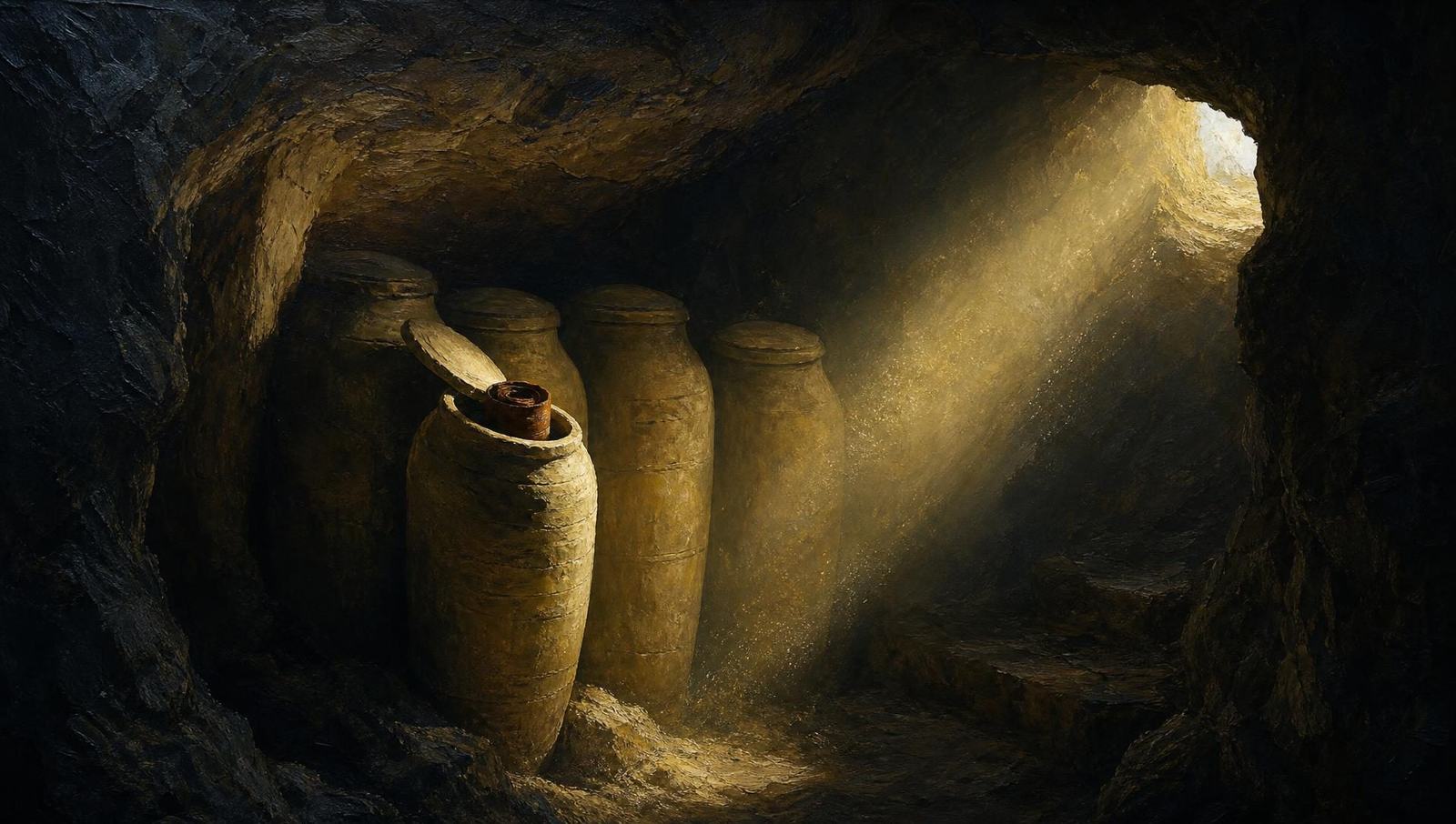
The Dead Sea Scrolls (discovered 1947) include a complete Isaiah scroll dated c. 125 BC — a thousand years older than the medieval Masoretic Text we had been using. The two texts are essentially identical. That is direct, controlled evidence that the Hebrew Bible was transmitted with remarkable fidelity.
Sources
- F.F. Bruce, The New Testament Documents: Are They Reliable? (6th ed., 1981)
- Emanuel Tov, Textual Criticism of the Hebrew Bible (3rd ed., 2012)
- Larry W. Hurtado, The Earliest Christian Artifacts (2006)
Sit with this
What standard of evidence would you accept here that you accept for other ancient history?
Talk this through