
When you're burning
What the Bible says about anger
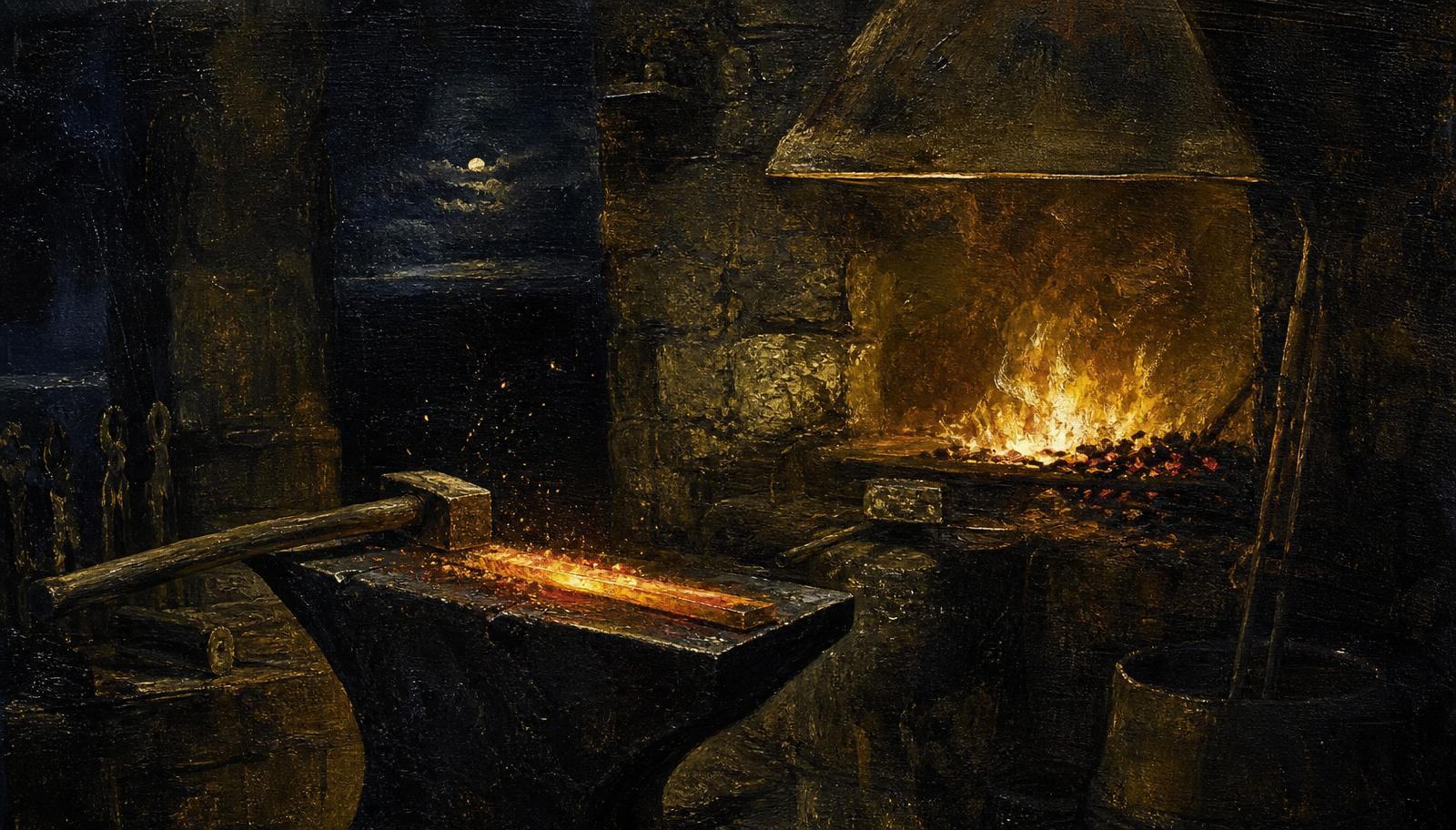
Scripture does not treat anger as automatically sinful. God is described as angry. Jesus made a whip. Anger is often the correct response to something genuinely wrong.
What Scripture watches closely is what anger does next — how long it's held, where it's aimed, and who gets hurt by it.
Be angry, and do not sin
Paul's instruction is remarkable: he permits the anger and then puts a clock on it. Don't let the sun go down on it. The danger is not the flare; it's the sediment.
James adds the other half — be slow to it, because human anger rarely produces the righteousness it thinks it's defending. Most of us are angry about real things in destructive ways.
Passages, in context
Berean Standard Bible · public domain
Ephesians 4:26-27
“Be angry, yet do not sin.” Do not let the sun set upon your anger, and do not give the devil a foothold.
Anger is permitted and time-limited in the same sentence. The reason given is that lingering anger gives the devil a foothold.
James 1:19-20
My beloved brothers, understand this: Everyone should be quick to listen, slow to speak, and slow to anger, for man’s anger does not bring about the righteousness that God desires.
Quick to listen, slow to speak, slow to anger — in that order. The order is the strategy.
Proverbs 15:1
A gentle answer turns away wrath, but a harsh word stirs up anger.
A gentle answer turns away wrath. A practical observation about how conflict escalates or doesn't.
Proverbs 29:11
A fool vents all his anger, but a wise man holds it back.
The fool gives full vent; the wise holds back. Note it does not say the wise feels nothing.
Mark 11:15-17
When they arrived in Jerusalem, Jesus entered the temple courts and began to drive out those who were buying and selling there. He overturned the tables of the money changers and the seats of those selling doves. And He would not allow anyone to carry merchandise through the temple courts. Then Jesus began to teach them, and He declared, “Is it not written: ‘My house will be called a house of prayer for all the nations’? But you have made it ‘a den of robbers.’”
Jesus clears the temple. Anger aimed at exploitation of the poor and the desecration of worship — targeted, not indiscriminate.
Psalm 4:4
Be angry, yet do not sin; on your bed, search your heart and be still. Selah
Be angry and do not sin; ponder it on your bed and be silent. Scripture prescribes a pause.
Colossians 3:8
But now you must put aside all such things as these: anger, rage, malice, slander, and filthy language from your lips.
Anger listed alongside rage, malice, and slander — the family it tends to run with when it's left alone.
Questions to sit with
- What is under the anger? Usually there is hurt or fear beneath it.
- Who is actually paying for your anger right now?
- Is there something you are right to be angry about, that you have never done anything constructive with?
Where this lands
God's anger in Scripture is not a temper. It is his settled opposition to what destroys people — and at the cross it fell on himself rather than on you. That is the model: anger that costs the angry one something rather than the person in front of them.
If your anger has become frightening to the people around you, please get help from a counselor. That is courage, not weakness.
Common questions
Is anger a sin in the Bible?
Not in itself. Ephesians 4:26 says 'be angry and do not sin,' which assumes anger can be sinless. What Scripture condemns is anger that is nursed, misdirected, or expressed in ways that damage people.
What is righteous anger?
Anger at genuine injustice, aimed at the wrong rather than at a person's dignity, and willing to act constructively. Most human anger claims this label and doesn't earn it — a useful test is whether it makes you more careful with people or less.