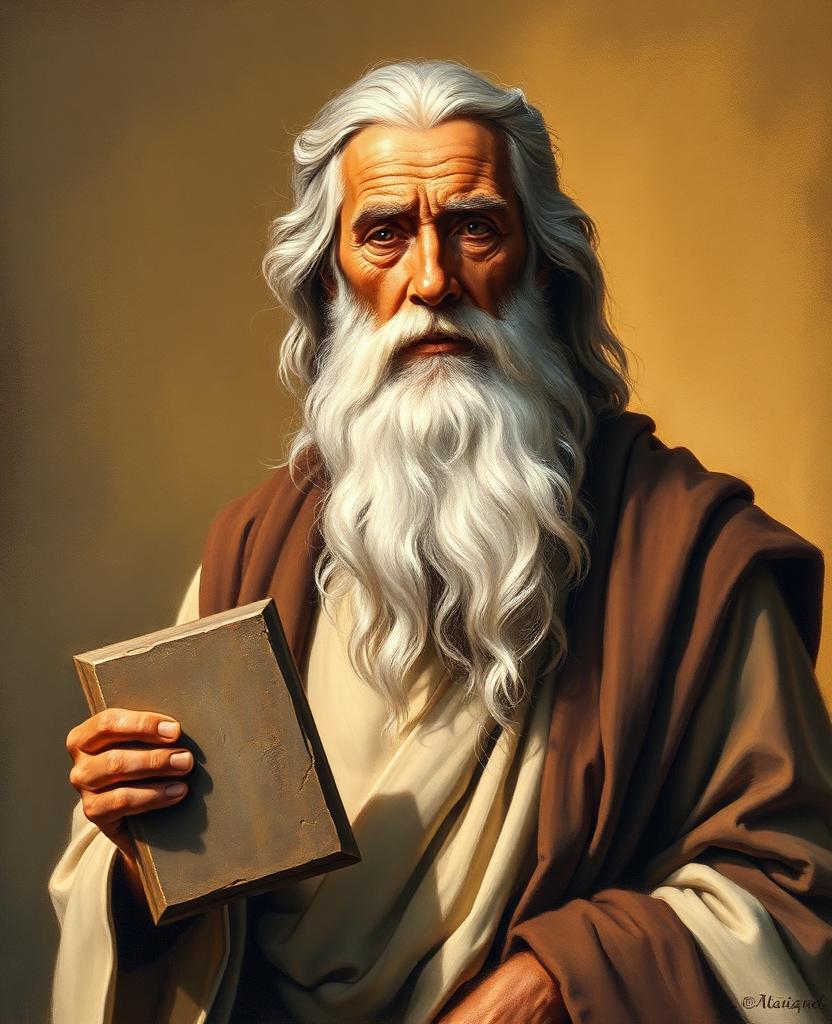

Old Testament
Sarah
Matriarch of the promise — laughter on the far side of a long wait.
Traditional datingc. 2000s–1800s BC (traditional)
Their story, briefly
- Left Ur with Abraham, trusting a promise of a son she could not see how to receive.
- Gave Hagar to Abraham in an attempt to manufacture the promise — and lived with the fallout.
- Laughed when God said she would have a son in old age — and laughed again when she did.
- Bore Isaac, the child of promise, in her ninetieth year.
- Died at Hebron; honored in Hebrews as a woman who 'considered him faithful who had promised.'
Key passages
- Genesis 17:15-21
- Genesis 18:9-15
- Genesis 21:1-7
- Hebrews 11:11
- 1 Peter 3:5-6
How their life points to Christ
Sarah's barrenness becomes the womb of the promise — a pattern that runs through Scripture and lands at an empty tomb. God's habit is to bring life where there is no natural hope. Isaac, the laughter-child, is the first long step toward the true Son the Father would give.
Common misunderstandings
- Sarah was not passive — she is named in Hebrews 11 as a woman of faith, even with her doubts.
- Her laughter is not mocked. God invites her into the joy of the very promise she struggled to believe.
Want to walk through this together?
Open a calm conversation seeded with Sarah's story.
More from Scripture